Skip to content

The person behind the work

About

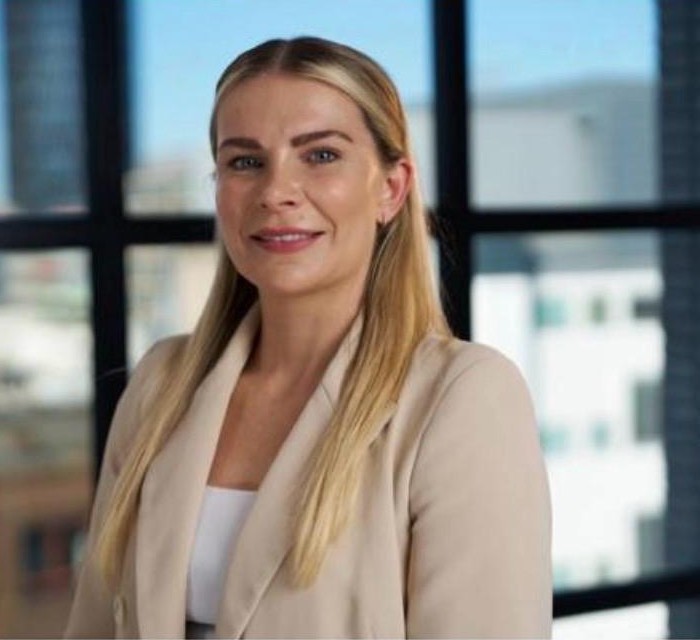
Ellie Crouch — Chartered Physiotherapist, HCPC-registered clinical accessibility consultant, and founder of Open Possibilities.

Ellie Crouch, founder of Open Possibilities

Two perspectives, one purpose

Ellie is an HCPC-registered Chartered Physiotherapist whose career spans specialist neurological rehabilitation, NHS clinical leadership, complex injury case management and commercial accessibility consultancy.

Working across leading NHS trusts, specialist rehabilitation centres and independent healthcare, she has gained a detailed understanding of the physical, cognitive, sensory and functional challenges that people with additional needs or complex disability face every day.

That clinical depth sits alongside real experience of leading teams and delivering services. It lets her see accessibility from both sides: what the individual needs, and what an organisation can practically deliver.

She founded Open Possibilities to bridge clinical understanding, customer experience and business decision-making.
What this means for your organisation

Expertise in three dimensions

Clinical insight

Spotting barriers conventional audits miss.

  • Brain and spinal cord injury
  • Complex neurological conditions
  • Cognitive and communication needs
  • Wheelchairs, seating and transfers
  • Fatigue and functional independence
  • Adaptations and assistive technology

Multidisciplinary collaboration

Connecting the right expertise.

  • Occupational therapists and physiotherapists
  • Psychologists and speech and language therapists
  • Assistive technology professionals
  • Design and operational teams
  • Senior stakeholders

Strategic leadership

Practical, proportionate, sustainable change.

  • Accessibility strategy development
  • Customer journey evaluation
  • Stakeholder engagement
  • Service development and change
  • Governance and risk management
  • Staff education

Career path

From frontline care to strategy

A career built in four stages, each adding a different lens to how Ellie sees accessibility.

  1. Chapter one

    Neurological clinician

    Ellie's career began in specialist neurological rehabilitation, working with people living with complex disability — including brain and spinal cord injuries. Across NHS trusts and specialist rehabilitation centres she built a detailed understanding of the physical, cognitive, sensory and functional challenges people face, and of what genuinely makes a difference to everyday life.

  2. Chapter two

    NHS healthcare leadership

    As a Highly Specialist Neurological Physiotherapist and Clinical Team Lead in the NHS, Ellie led a clinical workforce of around 25 staff — recruitment, supervision, service development and clinical governance. It gave her first-hand understanding of how organisations make decisions, and how to deliver practical, proportionate change that lasts.

  3. Chapter three

    Medico-legal case manager

    Moving into the medico-legal sector as a case manager, Ellie worked with clients with neurodisability, often after catastrophic injury. She turned clinical recommendations into real-world outcomes — accessible housing adaptations, transport, mobility and assistive technology — working alongside clients, families, solicitors, insurers and healthcare teams.

  4. Chapter four

    Travel, expedition & accessibility strategy

    Most recently, Ellie has supported company strategy to optimise travel and expedition experiences for people with additional needs — including the redesign of yachts and private aircraft for wheelchair access. Clinical insight now shapes premium journeys, from vessel interiors to the whole customer experience.

Philosophy

Removing barriers. Creating opportunities.

Accessibility should let people take part with dignity, independence and choice. The aim is not just accessible environments, but equal opportunities to enjoy them.

Please note: Open Possibilities provides accessibility advice and functional requirements. Regulated architectural, engineering and technical design responsibility remains with appropriately qualified professionals.

Let's make accessibility part of how you work, not an afterthought.

Start a conversation →